AGRICULTURE
Abia Govt Launches “Farm-to-harvest” Monitoring For 15,322 Farmers In Phase Two Input Distribution

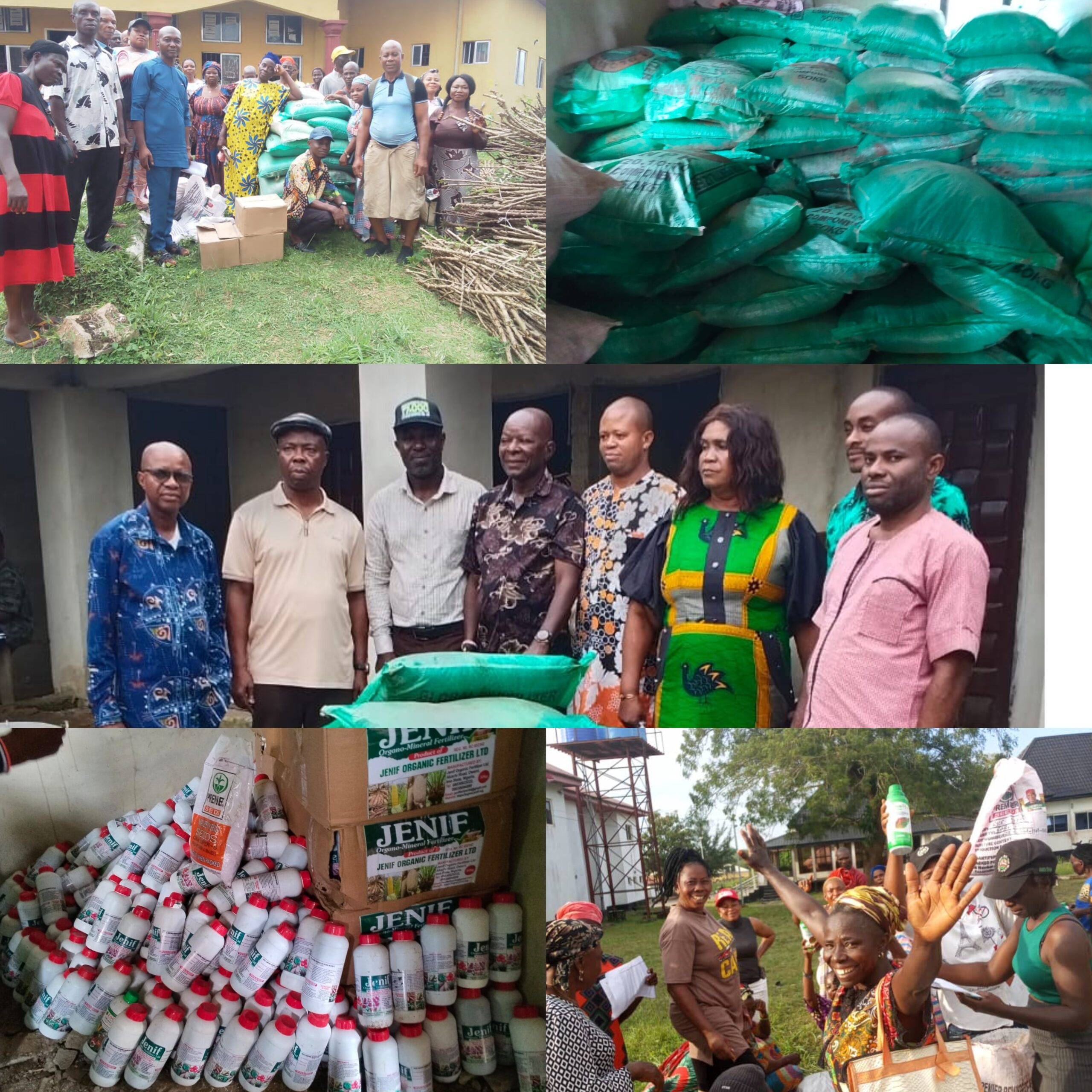
Agbaeze: We Will Track Inputs From Planting To Harvest To Ensure Results
UMUAHIA, Abia State – The Abia State Government* has commenced a “farm-to-harvest” monitoring strategy to ensure beneficiaries of the Phase Two Farm Inputs Distribution Programme properly utilize inputs provided to them.
The disclosure was made on Tuesday by the Commissioner for Agriculture, Dr. Cliff Agbaeze, while briefing newsmen in his office in Umuahia.
Dr. Agbaeze said the monitoring and technical guidance are being carried out in collaboration with the Michael Okpara University of Agriculture, Umudike Agribusiness Incubation Centre, MOUAU-ABIC.
He explained that Agricultural officers are visiting beneficiaries on their farms across the 17 Local Government Areas to monitor the proper use of improved seedlings, fertilizers and agrochemicals, while tracking their progress from planting through cultivation to harvest.
“The government’s responsibility goes beyond the distribution of farm inputs. This farm-to-harvest approach will enable the Ministry to identify challenges early, provide necessary extension support and assess the actual impact of government’s agricultural investment,” he stated.
According to the Commissioner, Phase Two of the programme is targeted at 15,322 additional farmers, building on Phase One which benefited 3,312 farmers.
He stressed that the intervention is focused on genuine, database-captured farmers to promote transparency and accountability in the distribution process.
Dr. Agbaeze said the initiative is part of the administration of Governor Alex Otti to transform agriculture from subsistence farming into a modern, productive and commercially viable agribusiness sector.
He assured farmers of the Ministry’s continued support, emphasizing that “government support does not end with the distribution of inputs, but follows the farmer from the farm to harvest.”
The farm-to-harvest monitoring is expected to improve yields, reduce wastage of inputs, and provide data for future agricultural planning in the state.