NEWS
NCFRMI, Abia Govt Seek Stronger South-east Coordination on Migration

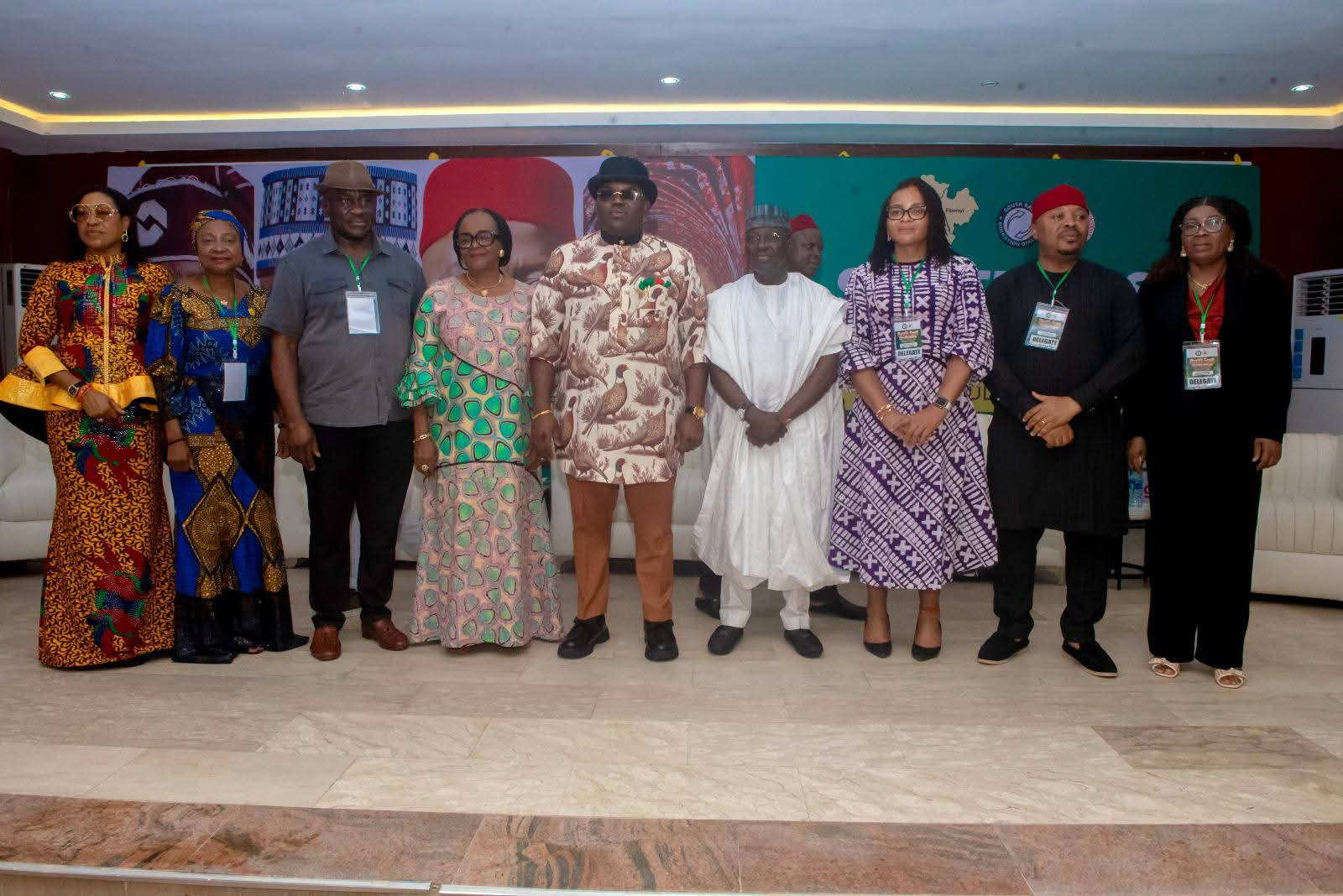
Stakeholders at Umuahia dialogue propose skills centre, data system, and diaspora investment framework for safe, orderly migration
UMUAHIA — The National Commission for Refugees, Migrants and Internally Displaced Persons, NCFRMI, has called for stronger state-level coordination of migration governance across the Southeast to address irregular migration, trafficking and reintegration challenges.
The Federal Commissioner of NCFRMI, Dr. Aliyu Tijani Ahmed, made the call on Wednesday at the opening of a two-day inaugural Southeast Migration Dialogue 2026 in Umuahia.
The theme of the event is “Partnership for Safe, Orderly and Regular Migration”.
Ahmed commended the Abia State Government for supporting the dialogue and for providing financial assistance of at least N1 million to each Abia indigene who recently returned from South Africa. He described the intervention as evidence of the importance of state involvement in migrant reintegration.
According to him, the Southeast has distinctive migration experiences including internal and international mobility, diaspora engagement, irregular migration, trafficking, smuggling and return migration.
“These realities cannot be adequately addressed from Abuja alone,” he said. “We need stronger collaboration among the five Southeast states.”
Ahmed said the revised National Migration Policy 2025 provides an important framework, but its success depends on implementation at state and community levels.
He called for stronger state migration coordination structures, improved migration data systems, and clear referral pathways for vulnerable migrants.
He also urged governments to link returnees with livelihood programmes, skills development, healthcare, education, documentation, housing and social protection.
Young people and families, he added, should receive accurate information about regular migration opportunities and the dangers of irregular migration and trafficking.
The commissioner disclosed that NCFRMI has selected Abia as the proposed location for a Southeast Skills Acquisition Centre for returnees and vulnerable persons. The centre, he said, will provide market-relevant skills, enterprise support and livelihood opportunities to enable returnees rebuild their lives with dignity.
Abia State Governor Alex Otti, represented by his Deputy, Ikechukwu Emetu, said migration should be strategically managed to promote human capital and economic development.
He said the Southeast should move beyond asking why its people leave and focus on ensuring that knowledge, capital and experience acquired abroad benefit communities at home.
He cited India and the Philippines as examples of countries that have harnessed organised overseas employment for remittances and skills transfer.
Otti identified five priorities: a Southeast Migration and Development Framework, reliable migration data and digital skills, safe migration, diaspora development, and protection and reintegration.
He noted that Abia was already preparing young people through the Abia Leadership Academy and TechRise programmes.
The wife of the governor, Mrs. Priscilla Otti, represented by the Commissioner for Tertiary Education, Prof. Uche Eme-Uche, said migration is deeply rooted in Southeast history.
She said Abia had established the Abia Diaspora Commission, signed an agreement with IOM on migration governance, and offered to host a temporary Southeast and South-South IOM office.
The Chief of Mission of the International Organisation for Migration, IOM, Ms. Sharon Dimanche, represented by Dr. Ukamaka Osigwe, called for stronger migration governance and collaboration to promote safe migration. She said the region’s human capital and vibrant diaspora can significantly contribute to development.
The Country Director of International Returns and Reintegration Assistance, IRARA, Mr. Roland Nwoha, urged stronger partnerships among governments, civil society, private sector and traditional institutions to provide decent work, skills and sustainable reintegration for returning migrants.
Also speaking, the National Coordinator of Civil Society Network on Migration and Development, CSOnetMADE, Dr. Emeka Obiezu, called for evidence-based migration governance, while the Southeast Zonal Coordinator, Nwadi, said stakeholders must provide young people with accurate information, relevant skills and safe migration pathways.
The two-day dialogue had participants from government, civil society, academia, the private sector, and development partners across the Southeast.