EDUCATION
Otti Unveils Smart School Revolution, Says Human Capital is Abia’s Greatest Wealth

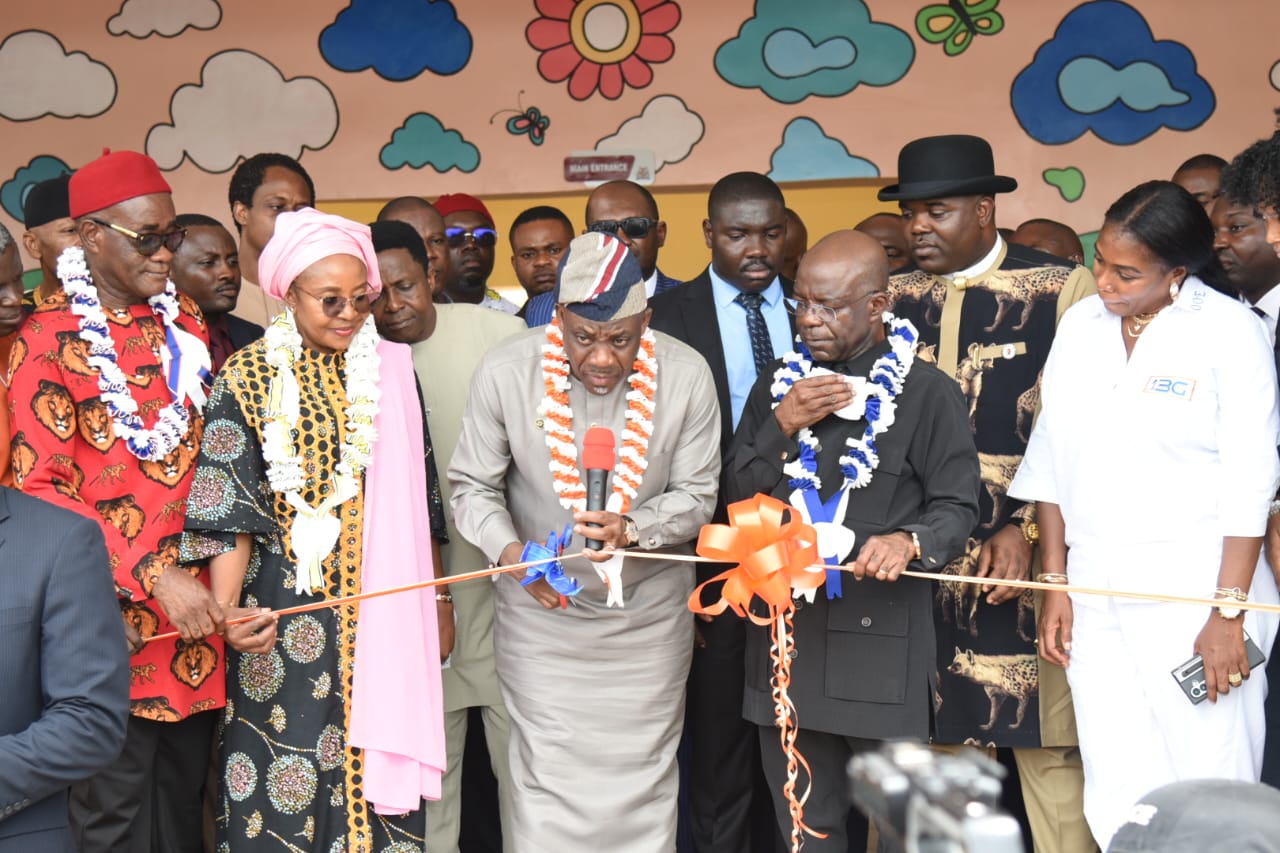
Abia State Governor, Alex Otti has unveiled what he described as a smart school revolution, with a declaration that the future prosperity of the state lies in investing in its people rather than relying on natural resources.
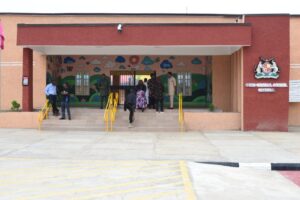
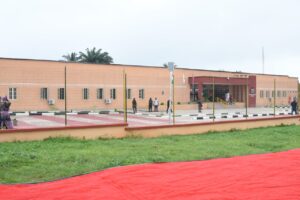 He stated this on Tuesday at the commissioning of Ogbo Central Smart School in Ubakala, the first of 20 technology-driven public schools established across the 17 local government areas of the State.
Otti said three of the smart schools would be inaugurated this month across the three senatorial districts, while the remaining ones would be commissioned in phases over the coming months.
He described the initiative as a major step in repositioning public education and preparing Abia children for a future shaped by technology, innovation and global competition.
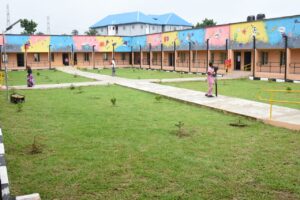 “Abia has moved into a new era of technology-driven learning.
“The wealth of the future is not buried beneath the ground; it lies in the potential of our people. That is why we are making deliberate investments in education,” Otti said.
According to him, each of the smart schools will admit 300 pupils, with classroom sizes capped at 30 to improve learning while every pupil will receive a tablet.
 He pointed out that the schools are equipped with interactive digital learning facilities, internet-enabled classrooms, health centres and modern security systems and backed by specially trained teachers to ensure effective integration of technology into classroom instruction.
“Our objective is not just to produce graduates with certificates.
“We want to nurture critical thinkers, innovators and future leaders who can create opportunities for themselves and others.”
Otti noted that his administration has consistently allocated about 20 percent of the state’s annual budget to education, describing the sector as the foundation of Abia’s long-term development strategy.
He said the government’s investments in free and compulsory basic education, teacher recruitment and retraining, and improved school infrastructure are aimed at giving every child, regardless of background, access to quality education.
“Every child in Abia deserves the opportunity to dream, compete and succeed. Our responsibility is to create that opportunity,” Otti said.
He urged parents, guardians, traditional rulers, religious leaders and other stakeholders to complement government’s efforts by promoting discipline, integrity and hard work among children.
“Schools can provide knowledge, but character begins at home. Raising responsible citizens is a responsibility we all share,” he added.
Otti also warned against vandalism of public school facilities, directing community leaders to protect educational infrastructure within their communities.
“These schools belong to the people. Anyone who destroys them is destroying the future of our children and will face the full weight of the law,” he warned.
He further reiterated his administration’s zero-tolerance policy on extortion in public schools.
“There will be no room for illegal levies or exploitation of parents. Any official found engaging in such practices will be sanctioned,” he said.
The Governor thanked the Minister of Education, Dr. Tunji Alausa, for attending the commissioning, expressing confidence that the visit would strengthen collaboration between the Federal Government and Abia State in expanding access to quality education.
In his remarks, the Minister of Education, Dr. Tunji Alausa, commended Governor Otti for making education a priority, describing the smart schools project as a bold investment in the future of Abia.
Alausa pointed out that the true measure of development is not the number of roads or bridges a government builds but the quality of investment it makes in its people.
He expressed optimism that the smart school programme would position Abia as a model for educational transformation in Nigeria
“Infrastructure is important, but the greatest investment any government can make is in human capital. Governor Otti has demonstrated that understanding through this initiative,” Alausa concluded.