
NEWS
Kalu: How Commissioning Roads in Sokoto Speaks to Nigeria’s Future

Good roads do more than carry cars. They carry dreams, food, medicine, and the quiet hope that tomorrow can be better than today.
In any country that wants to grow, roads are the backbone. They decide whether a farmer’s tomatoes rot at the village edge or reach the city market fresh. They decide whether a mother can get to the hospital in time, or whether a child can get to school without wading through mud. When roads work, the economy breathes. When they fail, everything else slows down.
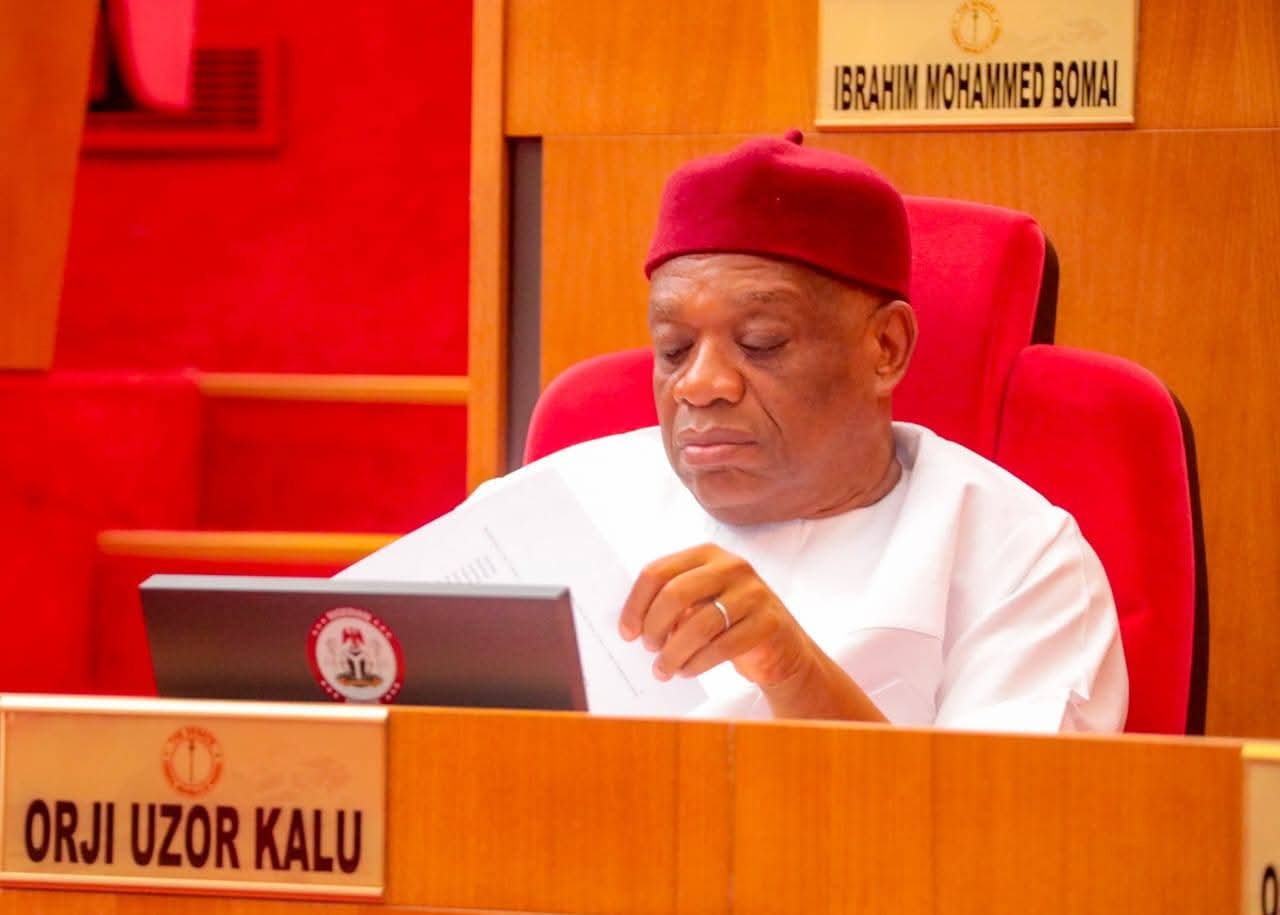
That truth was on full display in Sokoto State, where Senator Orji Uzor Kalu stood among community members to commission the Arkilla Roads Network. The project was executed by the administration of Governor Ahmed Aliyu Sokoto, and from the faces in the crowd it was clear this was not just another ribbon-cutting. For the people of Arkilla and surrounding communities, new roads mean shorter trips to town, lower transport fares, and a real chance for small businesses to thrive.
It means trucks can move farm produce out without losing half of it to bad spots and potholes. It means investors who once looked away can now look twice, because moving goods and people efficiently is the first test any business puts to a place before committing money.
Senator Kalu did not speak in abstract terms. He spoke as someone who understands what infrastructure does to daily life. He noted that the project reflects Governor Aliyu’s commitment to improving transportation, opening up communities, and creating room for economic growth.
He was joined by Senator Aliyu Magatakarda Wamakko, former Governor of Sokoto State, whose years of leadership also left marks on the state’s development. The presence of both men underlined something important: good governance does not belong to one administration alone. It is a relay. One leader starts, another continues, and the people keep moving forward.
The numbers behind roads are simple but powerful. When travel time drops, vehicle owners spend less on fuel and repairs. When raw materials reach factories faster, production costs fall and prices can stabilize. When finished goods get to consumers without delay, markets expand. That is how GDP grows, not through speeches alone, but through tar and asphalt that actually work. For an agrarian economy like much of northern Nigeria, rural roads are not a luxury. They are survival. Perishable crops cannot wait for political promises. If a road is bad, the harvest is lost. If a road is good, the farmer earns more and feeds more people. That is the difference between waste and wealth.
Roads also decide who gets access. A smooth, well-marked road with proper lighting does more than reduce accidents. It connects remote villages to schools, hospitals, and jobs in urban centers. A girl in Arkilla who could not reach her secondary school during rainy season may now have a chance. A sick elder who once had to endure a bone-shaking ride to Sokoto city may now get care in time. Those are not statistics. They are lives changed by decisions made in government offices and executed on the ground.
There is also the matter of work. Construction and maintenance of roads create jobs directly, from engineers to laborers. Indirectly, better roads create jobs because businesses can expand, tourists can visit, and local shops can serve more customers. Sokoto has historical sites, culture, and trade routes that deserve more visitors. But tourists do not travel on promises. They travel on roads. When access improves, foreign exchange improves, and local income improves with it.
Governor Ahmed Aliyu’s administration deserves commendation for putting people at the center of its projects. Senator Kalu was right to call infrastructure a critical driver of growth, social development, and prosperity. Roads are not just concrete. They are statements about who matters. When a government chooses to open up communities that were cut off, it is saying those communities count.
Congratulations to the government and the good people of Sokoto State on this achievement. The Arkilla Roads Network will not solve every problem overnight, but it removes a heavy weight from many shoulders. In Nigeria, development will come road by road, project by project. When leaders choose to build what connects people instead of what divides them, the country moves forward. And on days like Thursday in Sokoto, you can feel that movement under your feet.
Rubby Obinna
June 18, 2026