
NEWS
Abia Govt Engages Contractors on Capacity Building Workshop to Strengthen Quality in Project Execution

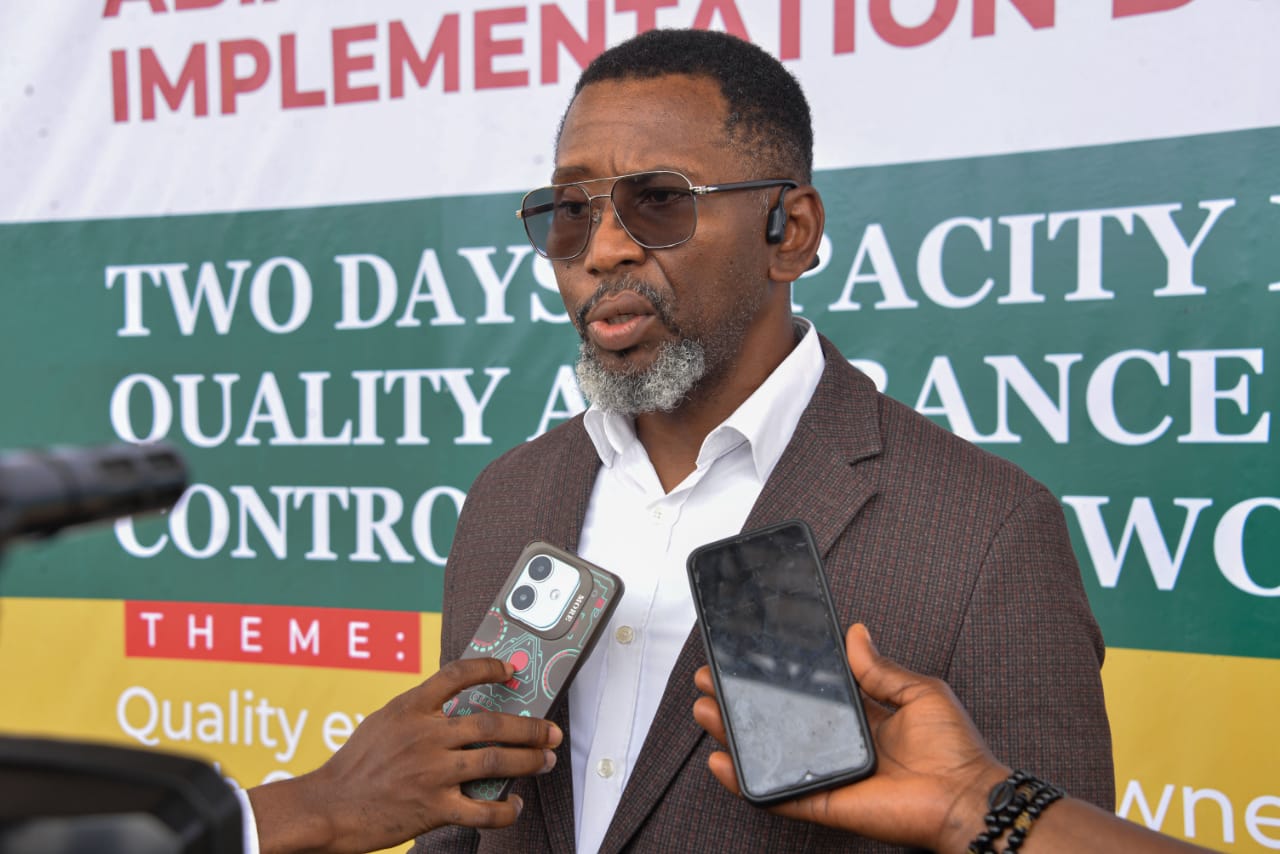
Abia State Project Implementation Bureau has engaged key stakeholders in the construction sector to deepen their understanding of best practices in project execution, quality management and compliance with established standards.
Declaring open a two-day Capacity Building Workshop on Quality Assurance and Quality Control, the Director General, Abia State Project Implementation Bureau, Onyinye Nwosu, said the initiative reflects the governor’s vision for excellence in public project delivery and long-term infrastructure sustainability.
The workshop, which brought together contractors, engineers, project managers and other key stakeholders seeks to strengthen the delivery of public infrastructure projects and ensuring value for money in the state.
The initiative forms part of the broader reform agenda of the Governor Alex Otti to ensure that public infrastructure projects are executed with the highest level of quality and durability.
Nwosu explained that the establishment of the bureau was driven by the administration’s commitment to ensure that capital projects across the state meet strict quality standards and are properly monitored from conception to completion.


“The vision of our governor is anchored on excellence and quality execution. That vision has translated into the creation of the Abia State Project Implementation Bureau to ensure that capital projects in the state are executed to the highest standards,” he said.
The ASPIB DG explained that the workshop was designed to help contractors and other stakeholders understand the quality assurance and quality control processes required for public projects.
According to him, infrastructure must be built with a long-term perspective.
“We have to think about 50 to 100 years from now. That means putting in place the right quality assurance and quality control processes. It cannot be done without carrying along our contractors and other stakeholders.”
He further stated that the training would enable contractors to clearly understand expectations on project sites while also helping regulatory bodies and supervising engineers ensure that projects are properly scoped and executed.
“This workshop allows us to discuss our processes and the systems that guide project implementation. Contractors will know what is expected of them, and our engineers and project managers will ensure that from the beginning – during project scoping – the right steps are taken,” Nwosu noted.
He urged contractors participating in the programme to see the government as partners working toward the shared goal of delivering quality infrastructure.
“Government does not build these projects alone; it is our contractors that help us deliver them. This workshop is an opportunity for us to learn together, reinforce our commitment to quality, and share best practices.”
In his presentation on geotechnical and geological exploration,
Engr. Prince Chukwudi emphasised the need for proper soil and site investigation before the commencement of construction projects.
He explained that many infrastructure failures occur when projects begin without adequate geological and geotechnical studies.
He pointed out that proper geotechnical exploration ensures that project designs align with the realities of the construction site, thereby preventing cost overruns and structural defects.
“When you don’t have full information about the soil and site conditions, you may start a project and later discover serious structural challenges. That can either lead to poor construction or make the project unnecessarily expensive,” he said.
Participants expressed optimism that the workshop would significantly improve the quality of infrastructure delivery in the state, noting that sustained training and stakeholder engagement would be critical in achieving the desired reforms.
